


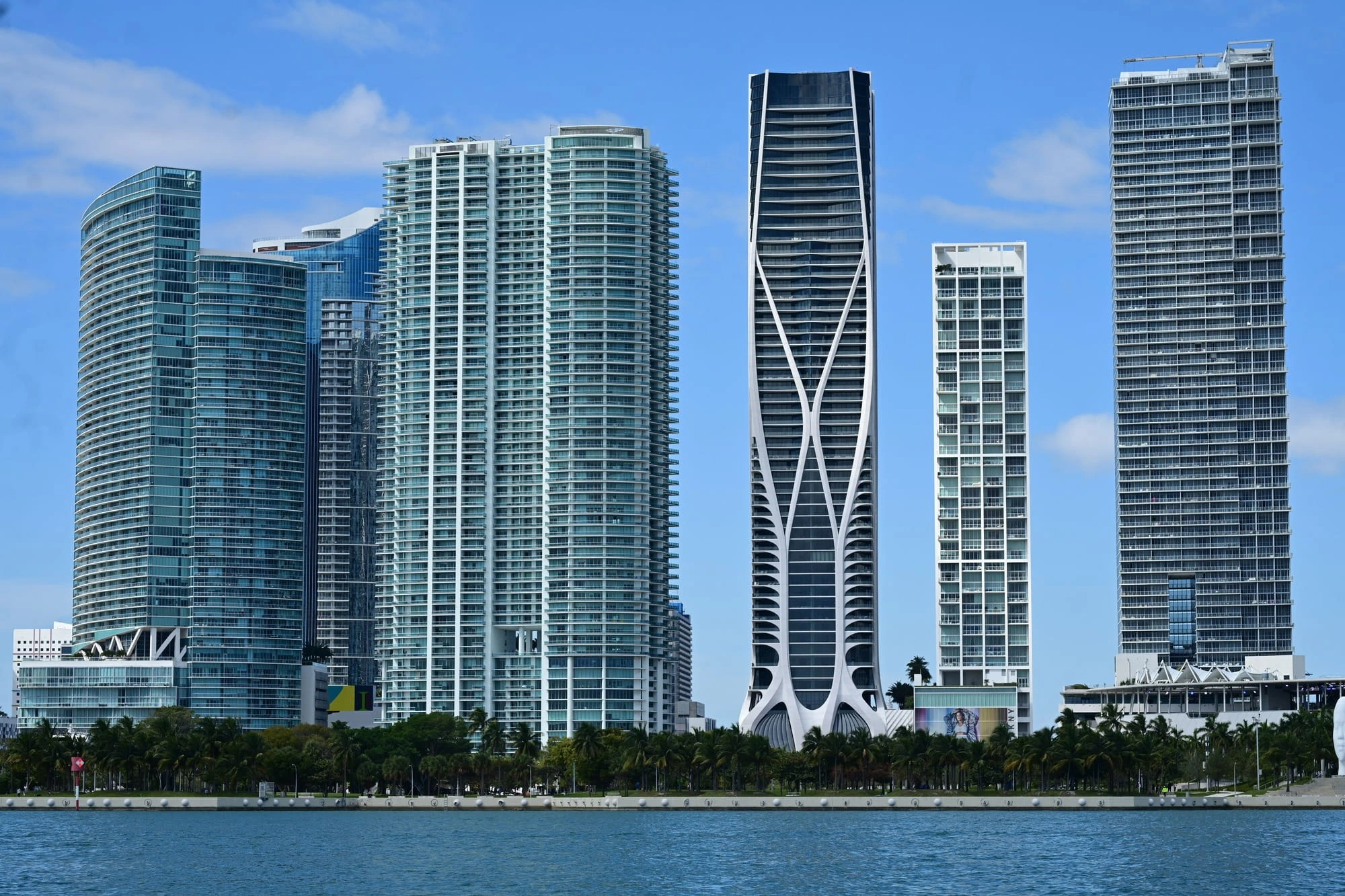
Buying a property in Miami from Mexico is an accessible, realistic process for any Mexican buyer like you — no need to move to the United States.
With full support from PFS Realty Group, you can handle every stage of your purchase remotely and securely, from selecting your property and opening your bank account to managing your foreign national mortgage and the ongoing management of your property afterward.
In this guide, we give you a clear, structured roadmap to build your wealth in dollars and make the most of the opportunities South Florida's real estate market offers.
Can a Mexican citizen buy property in Miami?
As a Mexican citizen, you can buy property in Miami with no restrictions. The US legal and financial system lets you own real estate with the same property rights as a resident.
To buy a property in Miami and South Florida, you don't need to be a US resident or hold a specific visa. You can even complete the entire purchase process, sign contracts, and open bank accounts remotely from Mexico. A visa is only required if you want to travel to Miami to visit developments or make personal use of the property.
When you make your purchase, you have two options:
- 01Buying in your personal name (individual)a more straightforward path in terms of initial paperwork, but it exposes your personal assets to potential legal liability and local tax burdens.
- 02Buying through a legal entity (LLC or corporation)offers advantages in asset protection, privacy, and estate tax optimization for non-residents, making it easier to pass the asset on to your heirs.
Every case is different, depending on your overall wealth and your family or business goals. At PFS Realty, we help you review your situation with key specialists before closing the deal:
- 01Florida real estate attorneyreviews the terms of the purchase agreement and conducts the title search to ensure a secure transaction.
- 02Specialized tax advisorguides you on local and federal tax planning, the withholding that applies when you eventually sell (FIRPTA), and designing the corporate structure that best protects your investment.
The process for buying a property in Miami from Mexico
Buying a property in Miami and South Florida from your home country is a clear, structured process. Below, we walk you through the key stages to get your purchase off to a successful start:
Define your goal and budget
The first step is determining the main purpose of your purchase, since this will guide every decision that follows:
Purpose of use:
- 01Investment and rental incomeaims to maximize your return on capital and generate recurring income in dollars, weighing whether you prefer long-term rental or more flexible models.
- 02Second homegeared toward personal or family use during certain times of the year, prioritizing location, amenities, and convenience.
- 03Primary residencefocused on relocating or living there permanently, weighing nearby services, schools, and lifestyle.
Budget and payment method:
- 01Cash paymentspeeds up closing, since it only requires verifying the source of funds and the bank transfer.
- 02Mortgage financingas a Mexican buyer, you can access foreign national loans, typically putting down around 30% of the property's value.
Define what type of property you're looking for
The type of property should match your intended use and your investment horizon:
By construction status:
- 01Pre-sale / pre-constructionlets you get in early at competitive launch pricing, paying your down payment in stages during construction and capturing appreciation by the time it's delivered.
- 02New constructionideal if you want immediate use or want to start generating rental income right away.
By property type:
- 01Condostend to offer resort-style amenities, centralized maintenance, and strong demand in urban areas.
- 02Single-family homesgive you more space, privacy, and your own land — very appealing for families or long-term rentals.
Analyze Miami's neighborhoods
Every neighborhood in Miami offers a different profile in terms of lifestyle, appreciation, and returns:
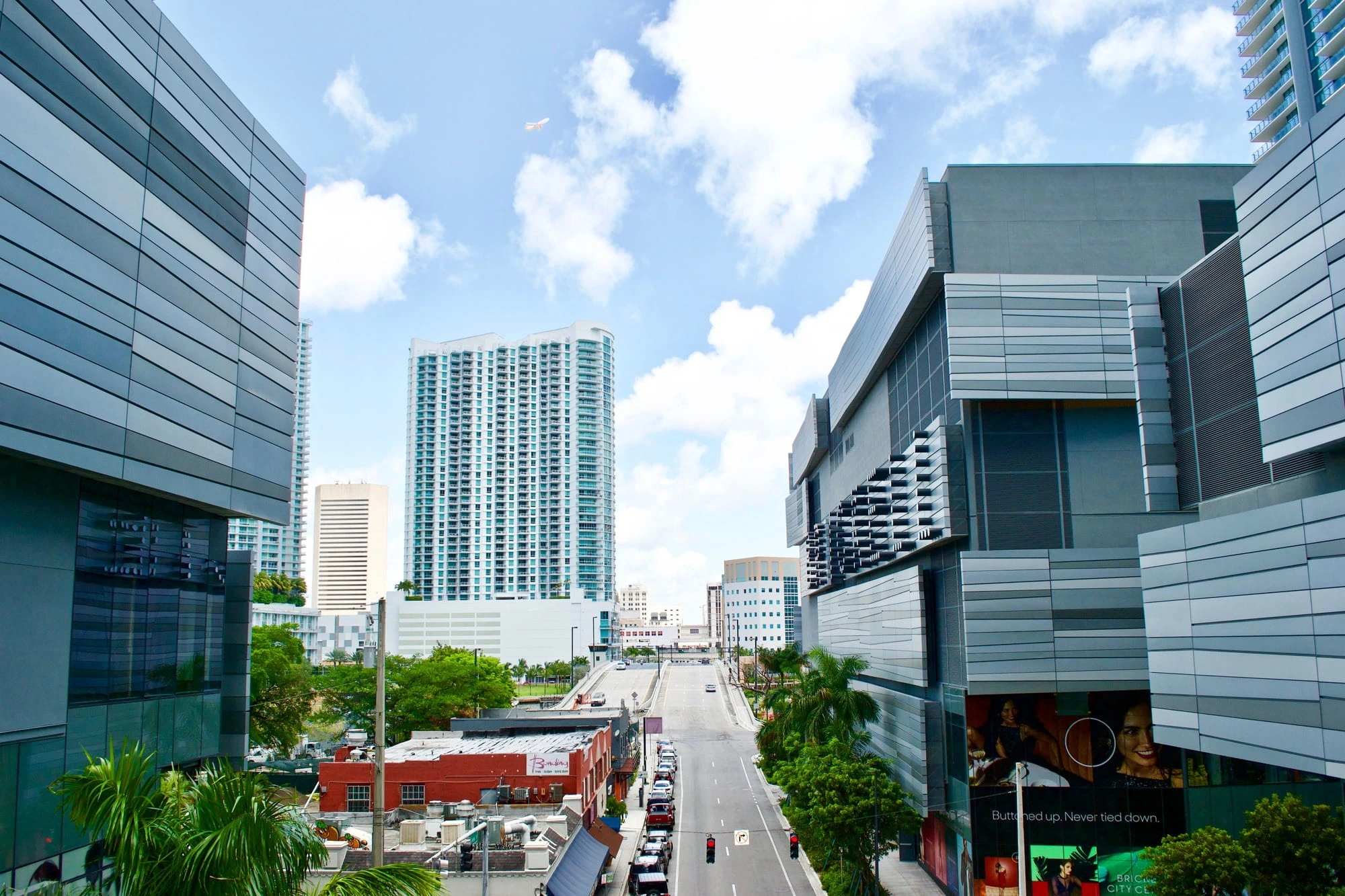
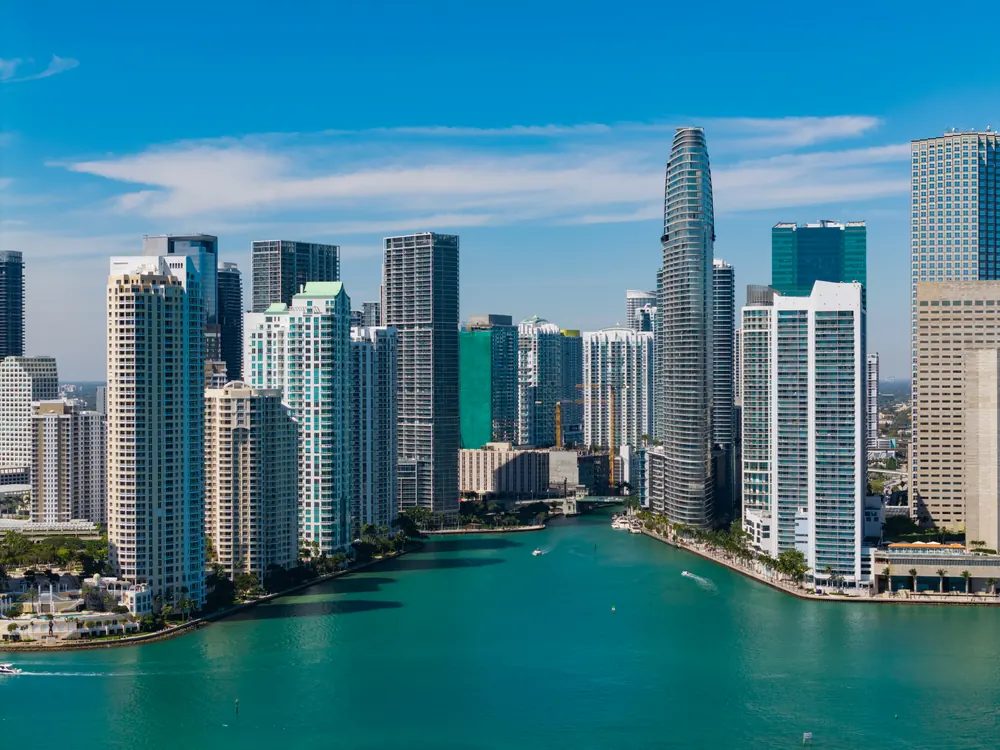
- 01Brickell and Downtownthe financial and corporate core. Known for their urban lifestyle, high density of professionals, and solid rental demand.
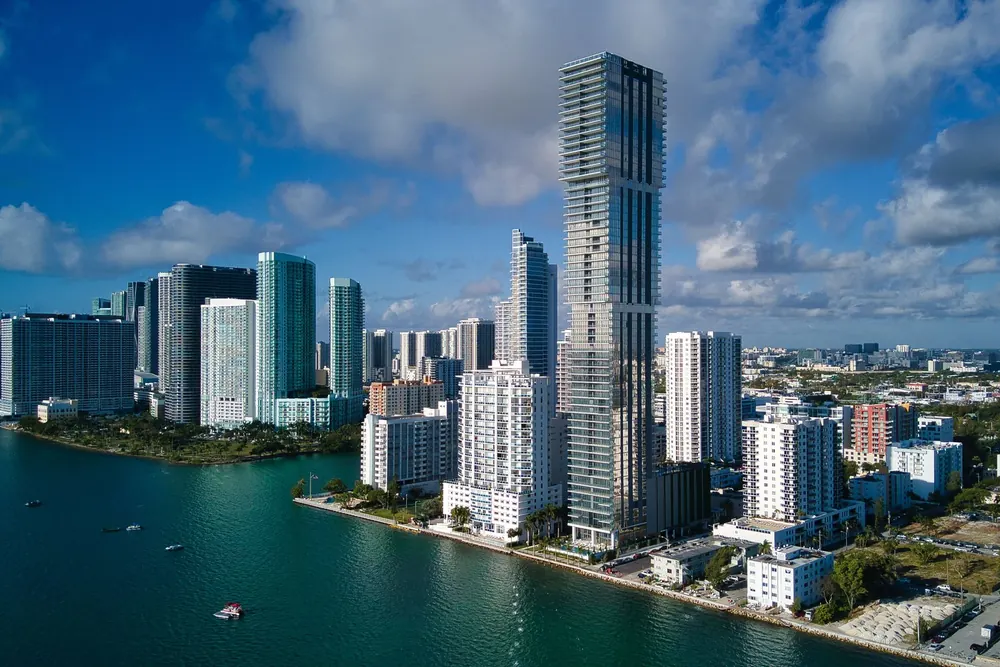
- 02Miami Beach and Edgewaterestablished waterfront areas. They combine tourist appeal, bay views, and a sophisticated residential market.
- 03Aventura and Doralcommunities highly sought after by Latin American buyers. They offer a family-friendly setting, excellent shopping centers, top-tier schools, and accessibility.
- 04Coral Gablesstands out for its classic architecture, exclusive residential atmosphere, green spaces, and long-term wealth stability.
| Area | Area profile | Property type | Estimated price range | Main goal |
|---|---|---|---|---|
| Brickell | High-density financial center with an urban lifestyle highly sought after by executives and young professionals. | Luxury condominiums, high-end apartments, and mixed-use developments. | USD 600,000 – USD 2,000,000+ | Long-term rental, flexible rentals, and wealth appreciation. |
| Downtown Miami | Cultural and commercial epicenter in the midst of urban transformation, with strong connectivity and entertainment options. | Modern condominiums, pre-construction residences, and mixed-use towers. | USD 500,000 – USD 1,500,000+ | Vacation / short-term rental, appreciation, and a first investment. |
| Edgewater | Emerging, sophisticated residential neighborhood on Biscayne Bay, very close to the Design District. | Boutique residential condominiums and luxury towers with water views. | USD 550,000 – USD 1,800,000+ | Mid- and long-term rental, second home, and appreciation. |
| Miami Beach | Internationally renowned tourist destination, known for its exclusive coastal lifestyle. | Oceanfront apartments, condo-hotels, and ultra-luxury residences. | USD 580,000 – USD 5,000,000+ | Second home, personal vacation use, and high-end rentals. |
| Coral Gables | Historic, elegant, and quiet area known for its green spaces, classic architecture, and prestigious schools. | Single-family homes, townhomes, and boutique condominiums. | USD 700,000 – USD 3,500,000+ | Primary residence, wealth preservation, and long-term rental. |
| Doral | Fast-growing family community with a strong business and retail scene, golf courses, and a large Latin American presence. | Single-family homes, townhomes in gated communities, and condominiums. | USD 450,000 – USD 1,200,000+ | Family housing, relocation, and long-term residential rental. |
| Aventura | Established suburb north of Miami, known for its luxury shopping centers, marinas, and safe residential setting. | Spacious condominiums with club-style amenities and homes in private communities. | USD 400,000 – USD 1,500,000+ | Family second home, retirement, and long-term rental. |
Define how you'll finance the purchase
When you buy a property in Miami from Mexico, you have flexibility in how you structure the financing. Depending on your wealth strategy and how you plan to use your capital, you can choose between two main options:
Cash purchase: speeds up closing since it doesn't require a lender's evaluation. It only requires verifying the source of funds and transferring them directly into the US title company's escrow account.
Foreign national mortgage loan: a financing program designed specifically for non-resident buyers. It lets you leverage your investment while keeping liquidity in Mexico.
Features and requirements of a foreign national mortgage
Unlike a traditional mortgage for US residents, where lenders evaluate local tax returns and credit scores like FICO, mortgages for international buyers are based on your financial standing in your home country and the property's ability to cash flow.
Down payment: generally requires a down payment of 30% of the property's total value.
Basic requirements and documentation:
- Copy of a valid passport and US visa.
- Income certification letter issued by a certified public accountant in Mexico.
- Bank references from your accounts in Mexico.
- Bank statements showing the liquidity needed for the down payment, closing costs, and required reserves.
- Verification of the source of funds.
Key differences from a traditional US mortgage
- 01Credit evaluationdoesn't require US credit history. Approval is based on your professional and banking profile in Mexico.
- 02Income flexibilityfor rental properties, some programs evaluate the property's projected cash flow (rental income versus debt payments) instead of relying solely on your personal income.
- 03Application processthe entire documentation process is handled remotely from Mexico, with the support of our specialized advisors.
Exclusive resource
Miami Investment Guide 2026
The legal and financial step by step, in a PDF.
Download the free guideWant to know if you qualify for a foreign national mortgage?
We'll help you review your case, at no cost and with no commitment.
Select and evaluate properties
Once you've settled on the area, budget, and financing strategy, the next step is evaluating your available options in detail. To make an informed decision and secure a solid purchase from Mexico, it's essential to analyze and compare the following key variables for each property:
- 01Total price and cost per square footevaluate the property's value relative to its usable area. Comparing the cost per square foot against similar properties in the same area helps you determine whether it's priced at market or offers an attractive margin for appreciation.
- 02Homeowners association fee (HOA)check the monthly cost of maintaining the condo. It's important to verify what services it covers (such as water, internet, common area maintenance, or building structure insurance), since this directly affects your recurring fixed costs.
- 03Property taxin Florida, this tax averages between 1.5% and 2% of the property's assessed value. It should be factored into your calculation of the property's annual expenses.
- 04Property insurancereview the policy required for the unit, especially in coastal areas or older buildings, since this cost affects your monthly operating budget.
- 05Development amenitiesevaluate whether the facilities (pool, gym, valet parking, coworking spaces, or 24/7 security) match the tenant profile or personal use you're looking for, since these features determine how competitive the property is in the market.
- 06Rental restrictionsthis is critical if your goal is investment. Check the condo's bylaws to confirm whether it allows short-term rentals (Airbnb-style), mid-term rentals, or only annual leases, as well as the minimum rental periods allowed per year.
- 07Building history and inspectionfor resale properties, it's vital to review the association's financial health, whether reserve funds exist, and whether any special assessments have been approved. For buildings over 30 years old, you should verify compliance with the safety certifications and structural inspections required by local regulations.
- 08Rental potential and cash flowcalculate the property's estimated gross and net yield by comparing projected rental income against total operating expenses (HOA, taxes, insurance, and management).
- 09Location and immediate surroundingslook at proximity to major roads, shopping centers, schools, beaches, and planned future development projects in the area, since these factors help ensure your wealth's long-term liquidity and appreciation.
Offer and contract signing
Once you've selected the property, the purchase process formally begins. This stage establishes the legal and financial agreements that secure the transaction:
- 01Submitting the offer and negotiatingwe present a formal purchase offer to the seller or developer, including the proposed price, payment method (cash or financing), estimated closing dates, and any special conditions requested. During this stage, terms are negotiated until both parties reach an agreement.
- 02Signing the purchase agreementonce the offer is accepted, the final contract is drafted (a Purchase and Sale Agreement for completed properties, or a Contract for Sale for pre-construction). This legally binding document sets out both parties' rights and obligations, the property specifications, and the transaction timeline.
- 03Escrow depositto formalize the reservation or contract, you make your first good-faith deposit. This money isn't handed directly to the seller — it's held securely in an escrow account managed by a title company or a licensed law firm in Florida.
- 04Key dates and deadlinesthe contract sets a strict timeline that you need to monitor together with your advisory team:
- Inspection period (due diligence): typically 7 to 15 days for resale properties, to evaluate the property's physical condition.
- Financing contingency period: the deadline for obtaining formal mortgage approval.
- Closing date: the final day on which the remaining balance and the property's title are transferred.
- 05Deal conditionscontingency clauses are put in place to protect your deposit in case the property fails the technical inspection or the lender doesn't approve financing within the agreed timeframe.
Due diligence and property review
Before finalizing the purchase, a thorough technical and legal review is carried out to confirm the property's condition and ensure a risk-free transaction:
- 01Physical technical inspectiona certified inspector evaluates the structure, electrical system, air conditioning, plumbing, and finishes to detect any defects or needed repairs.
- 02Title search and legal documentationthe title company verifies that the property is free of liens, debts, or encumbrances, ensuring a clean title is issued in your name.
- 03HOA and regulatory reviewthe homeowners association's financial statements are reviewed, along with reserve funds, any pending special assessments, and compliance with local regulations.
- 04Municipal code verificationconfirms the structure has no building violations or open permits with the city.
Closing and property handover
This is the final stage, where the property transfer is formalized and the closing documents are signed:
- 01Signing the final documentsyou sign the closing documents (Closing Disclosure, deed, and promissory note if financing). This can be done before a notary in Mexico or through an authorized consulate/digital notary.
- 02Transferring fundsyou send the remaining funds for the final payment and closing costs to the title company's escrow account.
- 03Title transfer and recordingthe title company issues the title insurance policy and records the Warranty Deed with the county.
- 04Property handoveryou receive the keys, access credentials, and information packet for your new property.
What happens after closing?
After the property is handed over, PFS Realty Group's after-sales services kick in to keep your investment running smoothly:
- 01Setup and utilitiestransferring utilities (electricity, water, internet) into your name or your legal entity's name, and furniture installation if applicable.
- 02Full-service managementif you bought for investment, our team can handle marketing, tenant screening, rent collection, and day-to-day maintenance, including vacation rental management if you need it.
- 03Accounting managementyou receive rental income directly into your dollar bank account, and we coordinate your annual US tax filings.
How much money do you need to buy a property in Miami from Mexico?
Property price
Entry-level prices in high-demand areas typically start at USD 350,000 for residential condos, with the average for attractive investments falling between USD 500,000 and USD 1,200,000, depending on location and property type.
Down payment
If you buy in cash, you put down 100% of the value. With a foreign national mortgage loan, the down payment is typically 30% of the property's total price.
Closing costs
These are the legal and banking fees to formalize the transaction. For cash purchases, they run between 1% and 2% of the property's value; if you need mortgage financing, they run between 3% and 5%.
Taxes
Property tax in Miami-Dade County runs around 1.5% to 2% annually of the property's assessed value.
HOA
The condo association fee varies based on the building's amenities and services. It generally falls between USD 0.60 and USD 1.20 per square foot per month, or a flat amount between USD 400 and USD 1,200 a month.
Insurance
Property insurance (hazard and hurricane coverage) runs between USD 1,500 and USD 4,500 a year for a condo, depending on the building's coverage and its proximity to the water.
Maintenance
We recommend budgeting between 0.5% and 1% of the property's value annually for unexpected repairs, minor fixes, or normal wear on equipment and finishes.
Management
If you rent out the property, full-service management fees typically run between 8% and 10% of monthly rental income for long-term leases, or between 15% and 25% for vacation rental models.
| Item | Estimate | When is it paid? |
|---|---|---|
| Down payment | 100% of the value in cash purchases. 30% to 40% of the value in financed purchases. |
Paid in two parts: the initial deposit when you sign the contract, and the remaining down payment balance before or at closing. |
| Closing costs | 1% to 2% of the value in cash purchases. 3% to 5% of the value in financed purchases. |
Paid at the final closing of the transaction, through the title company. |
| Property tax | 1.5% to 2% annually of the property's assessed value. | Paid annually to county authorities (in Florida, it's typically due in November). |
| HOA | USD 0.60 to USD 1.20 per sq. ft., or a flat amount between USD 400 and USD 1,200 a month. | Paid on a recurring basis, usually monthly or quarterly. |
| Insurance | USD 1,500 to USD 4,500 a year (varies by property type and coverage). | Paid annually when the policy is activated; for financed purchases, the first year's premium is paid at closing. |
| Inspection | USD 300 to USD 700, depending on the property's size and age. | Paid directly to the licensed inspector during the due diligence period. |
Want to know how much you actually need to buy in Miami?
We'll help you calculate the total cost based on your profile: cash or financing.
How to finance a property in Miami from Mexico?
As a Mexican buyer, you don't need 100% of the capital in cash to buy a property in South Florida. US financial institutions offer options designed for international investors, letting you leverage your purchase while keeping your liquidity.
Financing options available
Cash purchase: doesn't require a credit evaluation or bank paperwork. It's the fastest option, but it commits all your capital from day one.
Foreign national mortgage loan: the main option for non-resident buyers. It lets you finance a significant portion of the property using documentation issued in Mexico.
Features of a foreign national mortgage
- 01Down paymentbetween 30% and 40% of the property's total value.
- 02Amount financed60% to 70% of the property's value.
- 03Terms15 to 30 years, with fixed-rate or adjustable-rate (ARM) options.
- 04Interest ratestend to run a bit higher than for a US resident (roughly an additional 1% to 1.5%), due to the nature of the international underwriting.
Basic requirements and documents
Approval for a Foreign National Loan doesn't depend on US credit history (a FICO score) — it depends on certifying your financial standing and the source of your funds in Mexico.
- 01Official IDvalid passport and a valid US visa.
- 02Proof of incomean income and employment certification letter signed by a certified public accountant in Mexico.
- 03Bank referencesreference letters from your regular banking institutions in Mexico.
- 04Bank statementsstatements from the last 2 to 3 months showing the funds available for the down payment, closing costs, and required reserves (generally 6 to 12 months of principal and interest).
- 05Liquidity verificationproof of the lawful source of the funds transferred for the transaction.
Differences between a cash purchase and financing
- 01Closing and timinga cash purchase closes in 15 to 30 days, while a financed deal takes 45 to 60 days due to the lender's approval process and the appraisal.
- 02Closing costsclosing costs for a cash purchase run 1% to 2% of the property's value, while for a mortgage they run 3% to 5%, due to origination fees, the appraisal, and required lender insurance.
- 03Tax efficiency and returnsfinancing lets you deduct mortgage interest from rental income on your local tax return, optimizing your tax burden and boosting your cash-on-cash return.
Do you need to travel to Miami to buy a property?
As a Mexican buyer, you can complete 100% of the purchase process from Mexico without traveling to the United States, thanks to digital tools and the legal frameworks in place in the state of Florida.
What can you do remotely from Mexico?
- 01Property search and selectionwe run virtual consulting sessions and real-time 3D / virtual tours so you can see every detail of the properties and their amenities.
- 02Reservation and contract signingsubmitting offers, negotiating, and signing the purchase agreement all happen through certified electronic signature platforms.
- 03Bank account opening and financingwe handle opening your US bank account and getting your Foreign National Loan approved, through digital submission of the required documentation.
- 04Signing the deed and closingthe final legal documents can be signed through Remote Online Notarization (RON) or through the US Consulate in Mexico. In specific cases, you can also grant power of attorney to your legal representative in Florida.
What requires you to be there in person?
Being there in person is optional — it comes down to whether you personally want to see the property before closing or receive the keys in person. If you decide to travel, all you need is a valid tourist visa.
Take the first step with PFS Realty
Free advisory in English or Spanish to buy your property in Miami from Mexico.
Buying a property in Miami with PFS Realty
At PFS Realty Group, we guide you through the entire transaction cycle, removing the complexity of investing remotely and ensuring legal and financial security:
- 01Defining your goalswe analyze your risk profile, investment horizon, and wealth goals to structure the best purchase strategy.
- 02Selecting propertieswe filter and present developments that match your specific criteria for location, property type, and budget.
- 03Comparing opportunitieswe evaluate projected returns, fixed costs (HOA, taxes), and appreciation potential to objectively compare each option.
- 04Mortgage financingwe connect you with financial partners in the United States and manage the approval of your Foreign National Loan from Mexico.
- 05Negotiation and contractwe advocate for your interests in the offer, structure the contract terms, and bring in specialized legal and tax advisors.
- 06Closingwe coordinate signing the deed, the title review, and the secure transfer of funds into the escrow account.
- 07Ongoing managementwe take on full management of the property, handling tenant search and screening, rent collection, maintenance, and accounting reports, including vacation rentals.
If you're looking for specific areas to buy in, explore condos for sale in Brickell and in Downtown Miami, or check out the full list of new real estate developments in Miami.
 Mexicans in Miami
 Protect and diversify
 Condos in Miami