

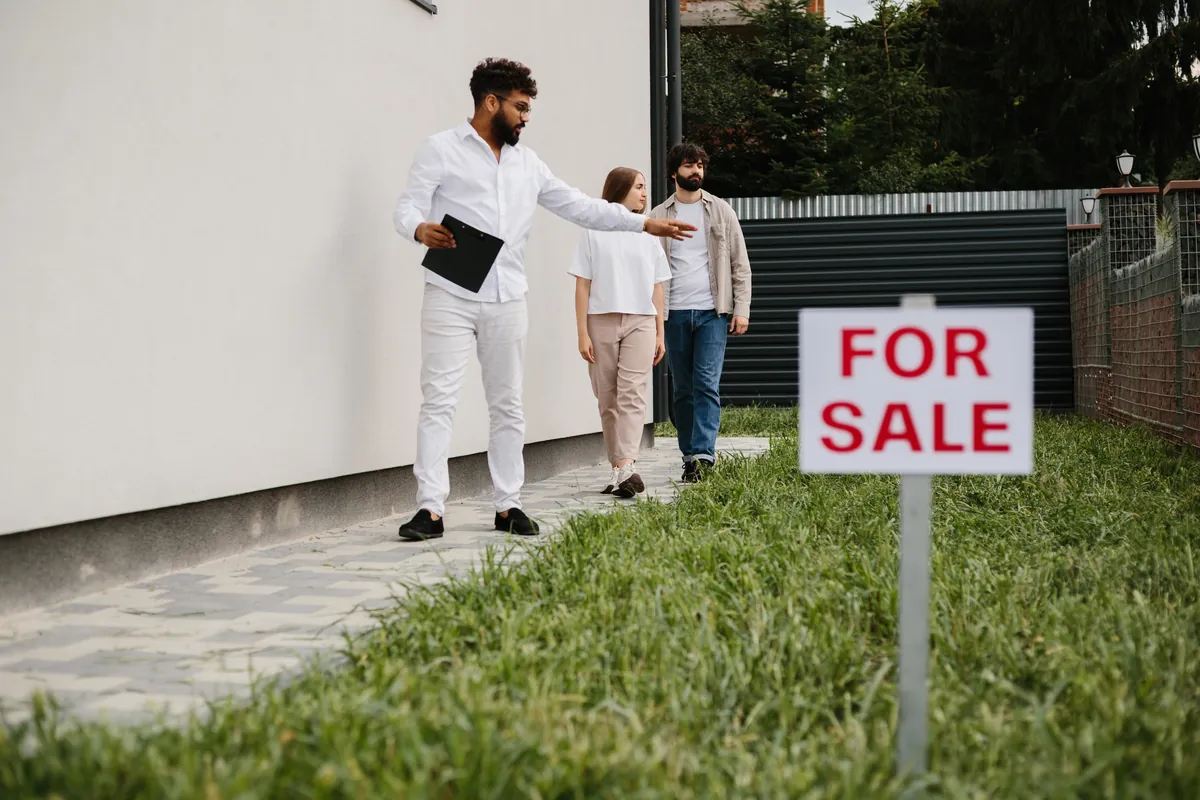
Buying a house in Miami is a dream that, if you don't follow the right steps, can turn into a nightmare. The process raises many questions, such as which area to look in, how much a house or a condo costs, and whether it makes more sense to live in it or rent it out, which is why the smartest move is to get personalized advice to guide the decision. For example, did you know that houses for sale in Miami have very different prices depending on the city? In the first quarter of 2026, half of the homes in Homestead sold for less than USD 475,000, while in Pinecrest half sold for less than USD 2,735,000. That gap is why knowing and understanding the real estate market is key to choosing well.
In this article we explain how the buying process works, what three of the most sought-after areas in the region are like (Brickell, Edgewater and Downtown Miami) and what you should review before deciding.
Interested in buying a house in Miami?
Contact a PFS Realty advisor here.
What should you know before buying a house in Miami?
Buying one of the houses for sale in Miami follows a very clear path that, if you know it from the start, will help you avoid surprises. These are the main steps.
- Set your budget and how you will payDecide whether you will buy in cash or with a mortgage. U.S. banks may ask for additional documents from people who live abroad, and NAR reported that 48% of foreign buyers paid in cash between April 2025 and March 2026. If your money is in another currency, it is a good idea to watch the exchange rate and transfer the funds on time. It also pays to consult a tax advisor, because your tax situation changes depending on whether or not you live in the country.
- Choose a real estate advisorAn agent with experience working with international buyers shows you properties, prepares your offer and guides you through the paperwork.
- Make your offerIn Florida, home purchases usually use standard contracts prepared by Florida Realtors and The Florida Bar. The offer sets the price, the closing date, the deposit and the deadlines.
- Pay the deposit and inspect the propertyOnce the offer is accepted, you pay a deposit that is held in escrow until closing. Next comes the inspection period, which is negotiated and usually lasts 10 to 15 days. During that time you hire an inspector and can request insurance quotes. With the standard "AS IS" contract you can cancel within that period and get your deposit back.
- Get your financing approved, if you need itThe bank reviews your documents and appraises the property before approving the loan. The contract sets a deadline to obtain that approval, and meeting it protects your deposit.
- Get to closingClosing is when the property passes from the seller to the buyer. It is handled by a title agent or an attorney together with a notary, and it can take place anywhere there is a notary. Beforehand, the property's legal history is reviewed and a title insurance policy is issued, which protects you against claims by previous owners. If there is a loan, you also sign the bank's documents, and the deed is recorded with the county.
- Review the closing costsYou can choose your own title agent or attorney. The Florida Department of Financial Services notes that closing costs can be negotiated, although the price of title insurance cannot. As a reference, the buyer's costs usually run from 2% to 5% of the property's price.

Which areas of Miami should you consider?
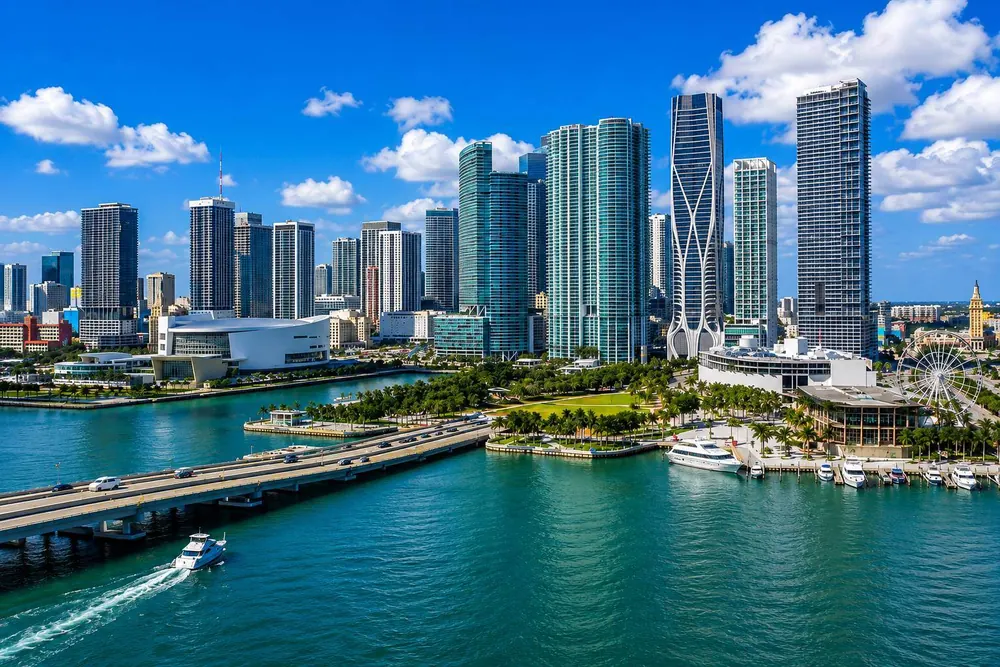
While Miami and South Florida offer many attractive areas to choose a property, three currently stand out from the rest: Brickell, Edgewater and Downtown Miami. They are close to one another, along Biscayne Bay, and in all of them you can get around by public transit without depending on a car thanks to the Metromover, a free elevated train that runs through Downtown and Brickell, while the city's trolleys complete the routes.
Houses for sale in Miami: Brickell
Brickell is Miami's financial district, south of the Miami River. The Metrorail elevated train and the Metromover meet there, and from Metrorail you can reach Miami International Airport. For shopping and groceries there is Brickell City Centre, which has its own Metromover station, and Mary Brickell Village, a shopping center of more than 18,000 square meters with a supermarket.
The city trolley runs through the area and reaches parks, Brickell City Centre and Mercy Hospital. For schools, there are options such as FIU Downtown on Brickell, Southside Elementary School and La Salle High School. In Brickell, the typical price of a condo or townhouse can range from USD 555,000 to USD 852,500, depending on the sector.
Edgewater
Edgewater is a bayfront neighborhood north of Downtown. Its big green space is Margaret Pace Park, with bay views, lawns, fitness stations and sports courts. A trolley passes by the park and connects with the Metromover, with shopping areas such as Midtown and with local schools. From there, another trolley route reaches Jackson Memorial Hospital.
Houses for sale in Miami: Downtown Miami
Downtown Miami is the city center. There, the Brightline MiamiCentral station connects with other parts of South Florida such as Aventura, Fort Lauderdale, Boca Raton, West Palm Beach and Orlando, and it sits next to Metrorail, Tri-Rail and the Metromover. An airport shuttle also leaves from there; the airport is about 11 kilometers away.
The area has attractive places to visit, such as the Kaseya Center, Bayfront Park, Bayside Marketplace, the Pérez Art Museum Miami and the Frost Science Museum. For education, there are Miami Dade College and New World School of the Arts. For healthcare, Jackson Memorial Hospital, the University of Miami's teaching hospital with more than 1,500 beds, connects with Downtown by Metrorail and trolley.
Exclusive resource
Miami Investment Guide 2026
The legal and financial step by step, in a PDF.
Download the free guideWhat types of property can you find?
In Miami-Dade County you will find different property options, each suited to different lifestyles, budgets and investment goals:
- 01Single-family homeshouses with their own land and privacy, ideal for families looking for more space and freedom of use without condominium restrictions.
- 02Condominium apartments (condos)units in residential buildings that offer shared amenities (pool, gym, security) and included maintenance in exchange for a monthly homeowners association fee, known as the HOA.
- 03Townhousesmulti-level attached homes that combine the layout and space of a house with common areas and community-managed maintenance.
- 04New construction and pre-constructionprojects under development or recently built that let you be the first owner, enjoy modern finishes and access staggered payment plans during construction.
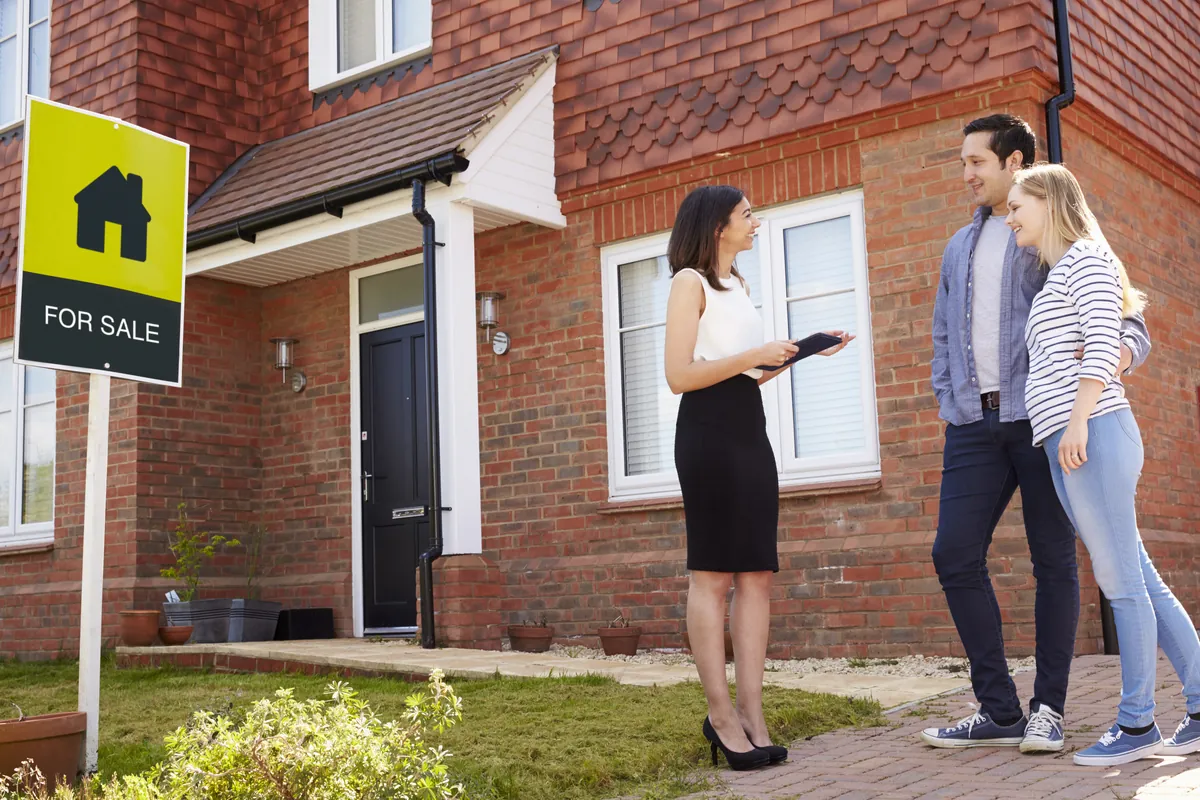
What factors should you consider before buying?
- 01What you want it forDecide clearly whether the property will be for personal use, vacations or a rental investment. The purpose affects the tax structure, the tax benefits you can apply for (such as primary residence exemptions) and the strategy for choosing the area.
- 02How to pay for itDefine your financial strategy, choosing between paying cash or a mortgage. If you need a loan, check early on the availability of credit for international buyers and verify the approval criteria of the building or community where you plan to buy.
- 03Building fees and insuranceCarefully review recurring expenses, including association maintenance fees (HOA or condominium), the strength of its reserve funds and the cost of insurance policies. These amounts affect your monthly budget and your overall return.
- 04Timing and room to negotiateAnalyze how negotiations work in the local market of the area you chose. Understanding the usual closing timelines and sellers' price flexibility will give you a strategic position when you present and back up your offer.
Find your next property with PFS Realty Group
At PFS Realty Group we have 24 years of experience and have helped more than 2,000 Latin American families buy property in Miami and South Florida. Our realtors and international advisors help you compare areas such as Brickell, Edgewater and Downtown Miami, match your budget to the type of property and decide whether you are buying to live in or to rent out. Write to us and tell us what you are looking for; based on your goal and budget, we will prepare a selection of properties so you can start with clarity.
References
- Miami Realtors + RWorld (October 16, 2026). Miami-Dade Breaks Annual Record for $30 Million-Plus Home Sales in Just Nine Months.
- Florida Realtors, via Florida Trend (November 2, 2026). What International Buyers Are Looking for in the Florida Market.
- National Association of Realtors (July 2026). Foreign Home Buying Slows but U.S. Real Estate Remains Attractive Among Certain Buyers.
- Greater Miami Convention & Visitors Bureau (2025). Destination Guide & Map 2025.
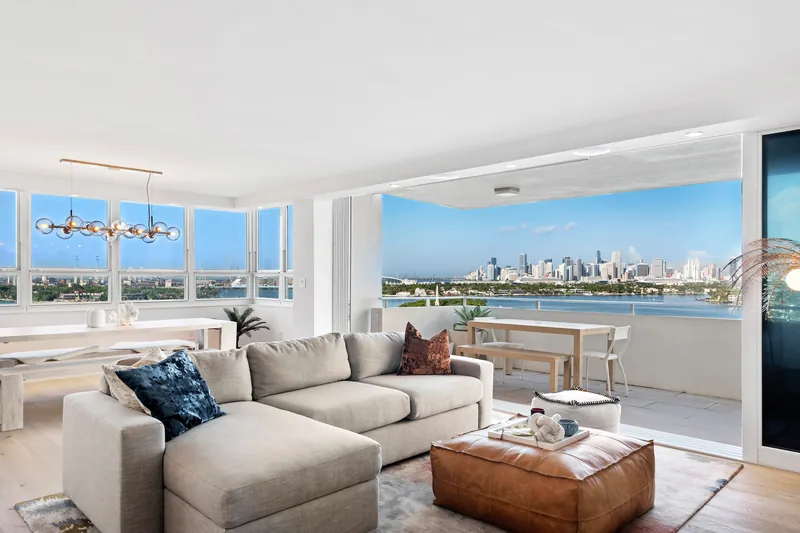 Condos in Miami
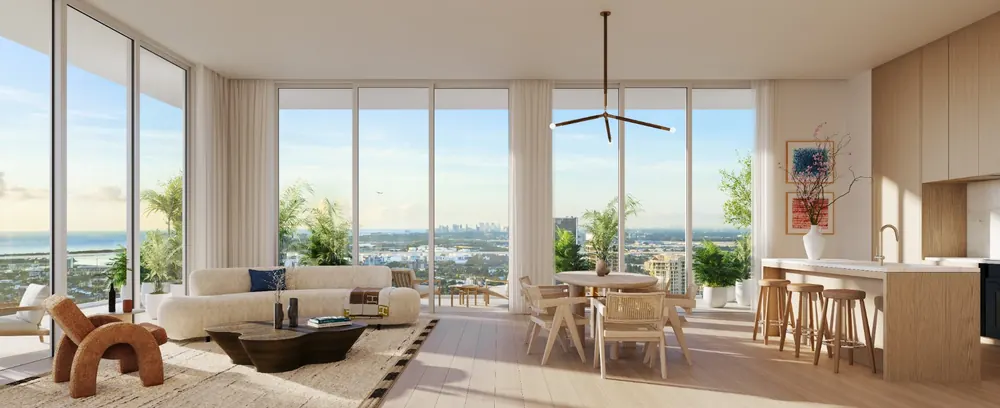 How to evaluate a condo
 Living in Miami